
Cat Breed - Bengal Cat
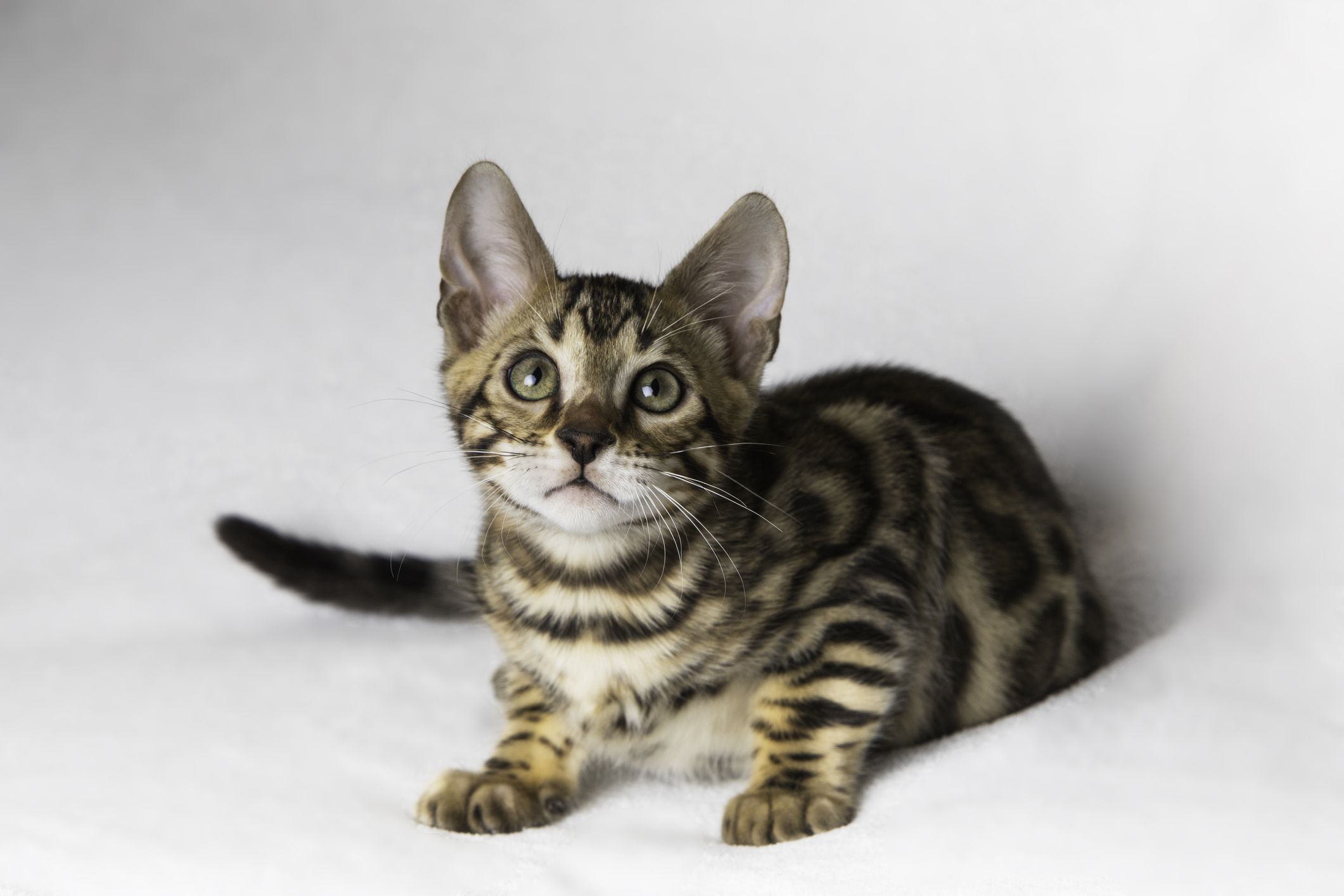
Table of Contents - About the Bengal Cat
Introduction: Bengal Cat - A Comprehensive Guide
Brief Overview:
The Bengal cat is a stunning breed known for its wild appearance and luxurious, leopard-like coat. Despite its exotic looks, the Bengal is a domesticated breed with a playful and affectionate temperament. This energetic and intelligent cat is a favorite among cat enthusiasts for its striking patterns, athleticism, and interactive personality, making it a unique addition to any household.
Searching for Bengal kittens for sale in Maryland, Washington DC, or Virginia? Luxury Only Kittens is a TICA-registered Bengal breeder in Bethesda, MD, offering spotted and marbled Bengal kittens to buyers in the DMV area and nationwide.
Breed History
Origins: The Bengal breed was developed in the 1970s when Jean Mill, an American breeder, crossed an Asian Leopard Cat (a small wild cat) with a domestic cat. The goal was to create a cat that had the appearance of a wild cat but the temperament of a domesticated one.
Development: Through selective breeding, the wild characteristics were toned down while retaining the Bengal’s distinctive spotted or marbled coat. Over generations, Bengals became a fully domesticated breed, recognized by major cat associations by the 1980s.
Historical Significance: The creation of the Bengal breed marked a turning point in cat breeding, as it successfully blended the exotic beauty of a wild feline with the companionship of a domestic cat. It is now one of the most popular and sought-after breeds worldwide due to its wild aesthetic and friendly nature.
Physical Characteristics
Appearance:Bengals are medium to large cats with a sleek, muscular build. They are known for their distinctive, exotic appearance, featuring a wild, leopard-like coat, large almond-shaped eyes, and a long, lean body.
Coat and Colors: The Bengal’s coat is short and sleek, often described as feeling like silk. It can be either spotted or marbled, with a shimmering effect known as a “glitter” coat. Standard colors include brown, snow (a lighter, creamy color), and silver. The rosettes or spots are usually darker, creating a high-contrast pattern.
Body Structure: Bengals have a long, muscular body with a strong, athletic build. Their legs are medium-length with large, rounded paws, and their tails are thick and tapered. The head is broad with prominent cheekbones, and their eyes are large and expressive, usually green or gold.
Personality and Temperament
General Disposition: Bengals are known for their energetic, playful, and curious nature. They are highly intelligent and often exhibit dog-like behaviors such as fetching, following their owners around, and even learning tricks.
Interaction with Humans: These cats thrive on human interaction and are very social. They form strong bonds with their owners and are known to be affectionate, though they are not typically lap cats. Bengals enjoy being involved in household activities and are often described as having a mischievous streak.
Compatibility with Other Pets: Bengals generally get along well with other pets, especially if introduced at a young age. Their playful nature makes them good companions for other cats and even dogs. However, their high energy may overwhelm more sedentary animals.
Health and Lifespan
Common Health Issues: Bengals are generally healthy, but they can be prone to a few specific health issues. These include hypertrophic cardiomyopathy (HCM), a genetic heart disease, and progressive retinal atrophy (PRA), which can lead to vision loss. Responsible breeders screen for these conditions.
Lifespan: The average lifespan of a Bengal cat is between 12 to 16 years, though many Bengals live beyond that with proper care.
Preventive Care: Regular veterinary check-ups, a balanced diet, and maintaining an active lifestyle are key to a Bengal’s health. Because of their high energy, it’s important to provide them with plenty of physical and mental stimulation to keep them healthy and happy.
Care Requirements
Grooming Needs: Bengals have low grooming needs due to their short, sleek coats. Weekly brushing is usually sufficient to remove loose hair and maintain their coat’s shine. They also tend to shed less than other breeds, making them relatively low maintenance in this regard.
Exercise Needs: Bengals are highly active cats that require plenty of exercise. Interactive play, climbing structures, and toys that engage their hunting instincts are essential for keeping them entertained and physically fit. Bengals also love climbing and exploring, so providing vertical space, like cat trees or shelves, is important.
Dietary Needs: A high-protein diet is ideal for Bengals, reflecting their active lifestyle. They do well on premium cat food that is rich in animal proteins. Portion control is also important, as their active nature means they can develop a large appetite.
Training and Socialization
Trainability: Bengals are very intelligent and highly trainable. They can easily learn tricks like fetching, sitting, or even walking on a leash. Positive reinforcement and interactive training sessions are effective with this breed.
Socialization Tips: Early socialization is important for a well-adjusted Bengal. Introduce them to different environments, people, and pets at a young age to ensure they grow into confident and sociable cats. Given their curiosity, they quickly adapt to new experiences.
Behavioral Traits: Bengals are known for their vocalizations, which can include chirping, yowling, and meowing. They are also notorious for their love of water, often enjoying playing with or drinking from faucets. Their intelligence and energy can sometimes lead to mischief if they are bored, so it’s important to keep them engaged.
Living Environment
Ideal Living Conditions: Bengals thrive in homes where they have plenty of space to run, climb, and explore. They do well in environments with plenty of mental and physical stimulation, so a home with cat trees, toys, and interactive play is ideal. They are suited to both houses and larger apartments, as long as they have room to exercise.
Adaptability: While Bengals are highly adaptable, they require an enriching environment to keep them happy. They can adjust to different climates and living situations but may become restless or destructive if they do not get enough attention or activity.
Breed Standards
Official Standards: The Bengal is recognized by major cat breed organizations, including the Cat Fanciers’ Association (CFA) and The International Cat Association (TICA). The breed standards for Bengals are specific and include:
Head: The head is a broad wedge shape with rounded contours. The muzzle is full and broad, with prominent whisker pads and a strong chin. The ears are medium to small with a wide base and rounded tips.
Ears: Ears should be medium to small, set wide apart with a slight forward tilt. Rounded tips and a wide base enhance the wild look of the Bengal.
Body: Bengals have a long, sleek, and muscular body, giving them an athletic, graceful appearance. Their build reflects their agile and active nature, with strong boning and a robust frame.
Tail: The tail is thick, medium-length, and tapers to a rounded tip. It is often covered in dark rings or spots.
Coat: Bengals have a short, dense coat that is soft and luxurious to the touch. The coat can have a shimmering, glitter-like effect in the light. Patterns are either spotted or marbled, with sharp contrast between the markings and the base coat.
Colors: Bengals come in a variety of colors, including brown, snow (in seal lynx, seal mink, or seal sepia), and silver. The markings can be either spotted or marbled, with distinct rosettes often resembling those found on wild leopards or jaguars.
Official Standards: According to major cat breed organizations like the Cat Fanciers’ Association (CFA) and The International Cat Association (TICA), Bengals should exhibit a well-balanced, muscular body with a short, sleek coat and a wild, exotic appearance. The eyes should be large and expressive, and the coat should have a high contrast between the base color and markings.
Show Characteristics: In cat shows, Bengals are judged based on their overall conformation, coat pattern, and eye color. Their demeanor and grooming are also key factors in the judging process. Bengals must meet specific criteria for their distinctive markings, body structure, and wild appearance..
Interesting Facts
Fun Facts:
- Bengals are one of the few cat breeds that love water, often playing in sinks or even swimming.
- They are known for their “glitter” coat, which gives them a shiny, almost iridescent appearance in the sunlight.
- Bengals are among the most active and athletic cat breeds, with a reputation for being able to leap great heights and distances.
Famous Cats: One of the most famous Bengals is Thor, the Bengal cat who became an internet sensation for his stunning looks and striking rosettes. Bengals are also frequently featured in advertisements and media for their exotic appearance.
Ideal Living Conditions: Bengals thrive in homes where they have plenty of space to run, climb, and explore. They do well in environments with plenty of mental and physical stimulation, so a home with cat trees, toys, and interactive play is ideal. They are suited to both houses and larger apartments, as long as they have room to exercise.
Adaptability: While Bengals are highly adaptable, they require an enriching environment to keep them happy. They can adjust to different climates and living situations but may become restless or destructive if they do not get enough attention or activity.
Breed Standards
Official Standards: The Bengal is recognized by major cat breed organizations, including the Cat Fanciers’ Association (CFA) and The International Cat Association (TICA). The breed standards for Bengals are specific and include:
Head: The head is a broad wedge shape with rounded contours. The muzzle is full and broad, with prominent whisker pads and a strong chin. The ears are medium to small with a wide base and rounded tips.
Ears: Ears should be medium to small, set wide apart with a slight forward tilt. Rounded tips and a wide base enhance the wild look of the Bengal.
Body: Bengals have a long, sleek, and muscular body, giving them an athletic, graceful appearance. Their build reflects their agile and active nature, with strong boning and a robust frame.
Tail: The tail is thick, medium-length, and tapers to a rounded tip. It is often covered in dark rings or spots.
Coat: Bengals have a short, dense coat that is soft and luxurious to the touch. The coat can have a shimmering, glitter-like effect in the light. Patterns are either spotted or marbled, with sharp contrast between the markings and the base coat.
Colors: Bengals come in a variety of colors, including brown, snow (in seal lynx, seal mink, or seal sepia), and silver. The markings can be either spotted or marbled, with distinct rosettes often resembling those found on wild leopards or jaguars.
Official Standards: According to major cat breed organizations like the Cat Fanciers’ Association (CFA) and The International Cat Association (TICA), Bengals should exhibit a well-balanced, muscular body with a short, sleek coat and a wild, exotic appearance. The eyes should be large and expressive, and the coat should have a high contrast between the base color and markings.
Show Characteristics: In cat shows, Bengals are judged based on their overall conformation, coat pattern, and eye color. Their demeanor and grooming are also key factors in the judging process. Bengals must meet specific criteria for their distinctive markings, body structure, and wild appearance..
Interesting Facts
Fun Facts:
- Bengals are one of the few cat breeds that love water, often playing in sinks or even swimming.
- They are known for their “glitter” coat, which gives them a shiny, almost iridescent appearance in the sunlight.
- Bengals are among the most active and athletic cat breeds, with a reputation for being able to leap great heights and distances.
Famous Cats: One of the most famous Bengals is Thor, the Bengal cat who became an internet sensation for his stunning looks and striking rosettes. Bengals are also frequently featured in advertisements and media for their exotic appearance.
How Much Does a Bengal Kitten Cost?
Bengal kittens from reputable TICA-registered breeders typically range from $1,500 to $4,000 depending on generation, coat pattern quality, and rosette clarity. High-contrast spotted Bengals and show-quality kittens are priced at the higher end. View available Bengal kittens →
Click the button below to discover our Kittens for sale!
Other pictures of Bengals Kittens
Bengal Kittens for Sale in Maryland & the DMV Area
There is no other cat quite like the Bengal. With their wild, leopard-like coats and impossibly athletic builds, Bengals turn heads and capture hearts everywhere they go. If you’ve been searching for Bengal kittens for sale near me in Maryland, Virginia, or the DC metro area, Luxury Only Kittens is your source for TICA-registered Bengal kittens bred for extraordinary beauty, temperament, and health.
We are a TICA registered Bengal breeder, and our kittens hold SBT (Stud Book Tradition) status — meaning they are at least four generations removed from wild ancestry. This means they carry that breathtaking wild beauty in a fully domesticated, loving, family-friendly package. Every Bengal we produce is health-tested, vet-certified, and raised in a stimulating home environment that prepares them beautifully for life with their new families.
The Bengal Personality: Bold, Brilliant, and Athletic
Bengals are not your average lap cat — and that’s precisely why their owners love them so fiercely. They are highly intelligent, extraordinarily active, and deeply curious. Bengals love to climb, explore, play in water, and engage in complex interactive games. For active families in Bethesda, Arlington, and throughout Northern Virginia and the DMV, a Bengal kitten brings a level of entertainment and engagement that few other breeds can match.
Despite their wild looks and high energy, Bengals are genuinely affectionate and loving with their families. They bond deeply with their owners and often enjoy being involved in every aspect of daily life. They do best in homes with plenty of enrichment — tall cat trees, puzzle feeders, and interactive play — and thrive when their remarkable intelligence is properly engaged. Their striking rosette and spotted coat patterns make them a constant conversation piece.
Bengal Kittens for Sale in Maryland, DC & Virginia
The demand for Bengal kittens for sale in Maryland and Bengal kittens for sale in Virginia is strong, and finding a reputable TICA-registered breeder is absolutely essential. Not all Bengals are created equal — coat quality, pattern clarity, contrast, and temperament vary significantly based on breeding practices. At Luxury Only Kittens, we invest in top-quality bloodlines and prioritize both the stunning aesthetics and the wonderful temperaments the Bengal is famous for.
We serve families throughout the DC, Maryland, and Virginia region. If you’re ready to experience the extraordinary world of Bengal cat ownership, browse our available Bengal kittens at luxuryonlykittens.com/available-kittens/?orderby=date&filters=breed[82] and see which of our beautiful kittens speaks to you.